
𝙘𝙞𝙧𝙘𝙪𝙡𝙖𝙩𝙤𝙧𝙮 𝙨𝙮𝙨𝙩𝙚𝙢
𝐰𝐡𝐚𝐭 𝐢𝐬 𝐭𝐡𝐞 𝐜𝐢𝐫𝐜𝐮𝐥𝐚𝐭𝐨𝐫𝐲 𝐬𝐲𝐬𝐭𝐞𝐦?
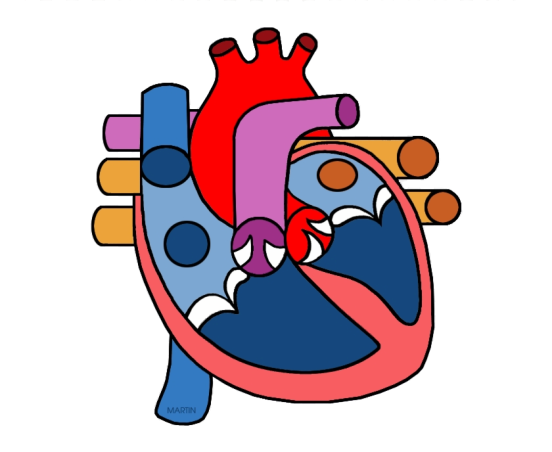
The circulatory system is responsible for transporting materials throughout the entire body. It transports nutrients, water, and oxygen to your billions of body cells and carries away wastes such as carbon dioxide that body cells produce.
𝐩𝐚𝐫𝐭𝐬 𝐨𝐟 𝐭𝐡𝐞 𝐜𝐢𝐫𝐜𝐮𝐥𝐚𝐭𝐨𝐫𝐲 𝐬𝐲𝐬𝐭𝐞𝐦

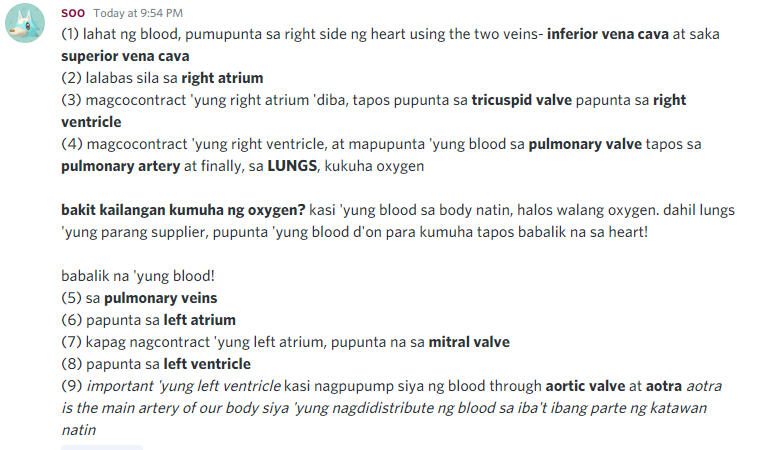
➥ The heart is the organ at the center of the circulatory system. It pumps blood around the body.
➯ 𝙿𝚎𝚛𝚒𝚌𝚊𝚛𝚍𝚒𝚞𝚖
• protective sac of connective tissue
• surrounds the heart
• filled with fluid
➯ 𝙴𝚙𝚒𝚌𝚊𝚛𝚍𝚒𝚞𝚖
• outermost layer
• fat to cushion heart
➯ 𝙼𝚢𝚘𝚌𝚊𝚛𝚍𝚒𝚞𝚖
• middle layer
• primarily cardiac muscle
• muscle of the heart
➯ 𝙴𝚗𝚍𝚘𝚌𝚊𝚛𝚍𝚒𝚞𝚖
• innermost layer
• thin and smooth
➥ The septum acts as a wall. It prevents the mixing of the oxygen-rich blood and the oxygen-poor blood.
➥ The upper chamber (receives blood) is the atrium.
➥ The lower chamber (pumps blood out of the heart) is the ventricle.
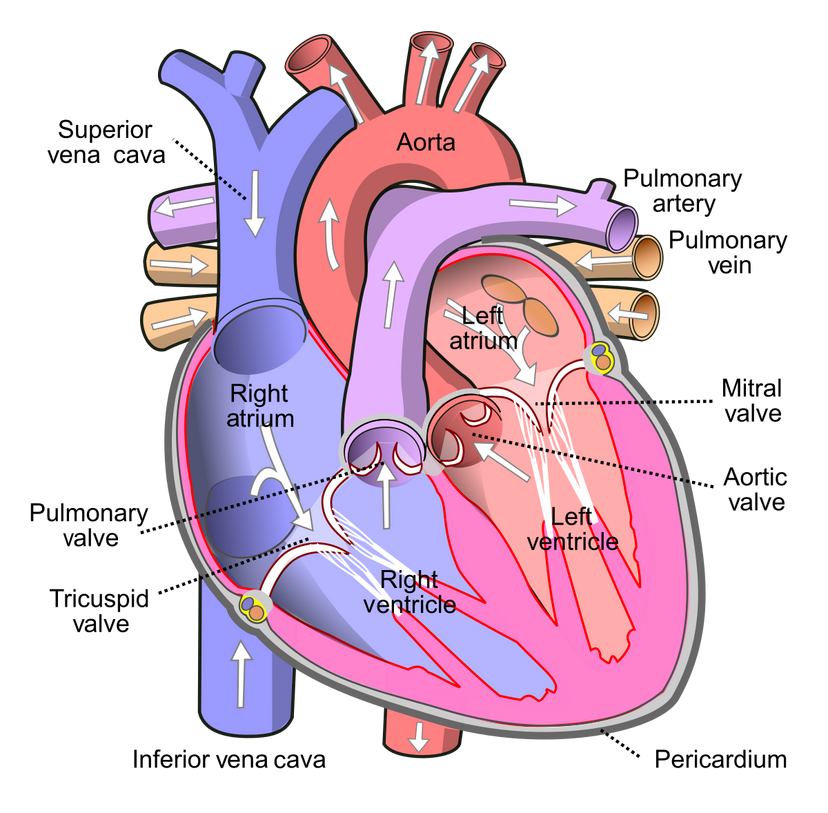
➥ The atria collects blood that enters the heart.
➥ The ventricles pump blood out of the heart.
➥ The valves between the atria and ventricles are connected to the inner walls of the heart by tough tendons.
➥ Blood brings oxygen and nutrients to all the parts of the body so they can keep working.
➥ The heart can pump blood because it is made of muscle. Muscle tissue works by contracting (squeezing) and relaxing.
➥ Blood is composed of:
• Plasma - the fluid part of the blood and is composed of 90% of water.
• Red blood cells, white blood cells and platelets constitute the solid part of blood.
➥ Blood vessels are a network of pathways through which blood travels throughout the body. Arteries and veins are the two primary types of blood vessels in the circulatory system of the body.
➯ 𝙰𝚛𝚝𝚎𝚛𝚒𝚎𝚜
• large vessels
• carry blood from heart to tissues of body.
• carry oxygen-rich blood, with exception of pulmonary arteries.
• thick walls-need to withstand pressure produced when heart pushes blood into them.
➯ 𝙲𝚊𝚙𝚒𝚕𝚕𝚊𝚛𝚒𝚎𝚜
• smallest blood vessels
• walls are only one cell thick and very narrow
• important for bringing nutrients and oxygen to tissues and absorbing carbon dioxide and other waste products.
➯ 𝚅𝚎𝚒𝚗𝚜
• has a job whereas once blood has passed through the capillary systems, it must be returned to the heart
• walls and contains connective tissue and smooth muscle.
• largest veins contain one way valves that keep blood flowing toward heart.
• many found near skeletal muscles.
• when muscles contract, blood is forced through veins.
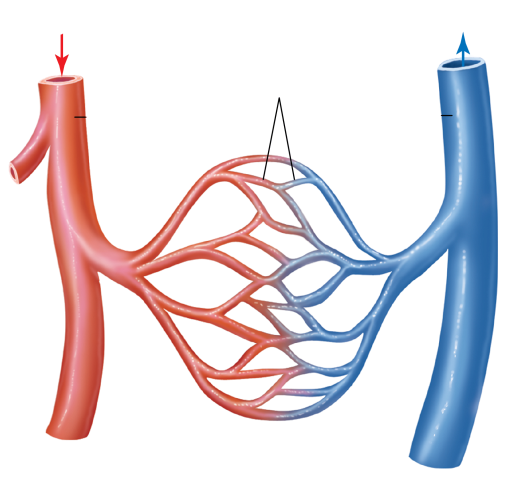
➥ Red - artery
➥ Middle - capillaries
➥ Blue - veins
hi! i hope you enjoyed learning the circulatory system!! i had fun doing this carrd and i am happy to help other students! ♡
➥ take regular breaks
➥ watch youtube videos for further understanding
➥ make use of diagrams
➥ organize your study space
most importantly, always keep safe! ♡
| note ˄·͈༝·͈˄*₎ |
|---|
| you're doing really well! never doubt yourself ♡ if you had a bad day today, you can always try again tomorrow !! mwa ^^ |